Amazonian Mushroom Reveals Its Scientific Origins and Cultural Significance
· based on the channel Shroomverse
The Amazonian mushroom is a term often encountered in both scientific literature and cultural discussions, referring to a fungus species native to the Amazon rainforest with significant ethnobotanical relevance. Its naming and classification have been traced through a series of scientific papers that document its discovery, taxonomy, and cultural associations. Understanding the paper trail behind the Amazonian mushroom reveals how scientific and indigenous knowledge intertwine to define this species.
Scientific Classification and Naming History of the Amazonian Mushroom
The Amazonian mushroom's scientific journey began with early botanical explorations in the Amazon basin, where mycologists collected specimens and attempted to classify them under existing taxonomic frameworks. Over time, new species descriptions emerged, refining the mushroom's place within the fungal kingdom. Key papers have discussed the morphological characteristics that distinguish it from related species, including spore size, cap texture, and habitat preferences. This taxonomic evolution reflects both advances in mycological methods and deeper understanding of Amazonian biodiversity 02:15.
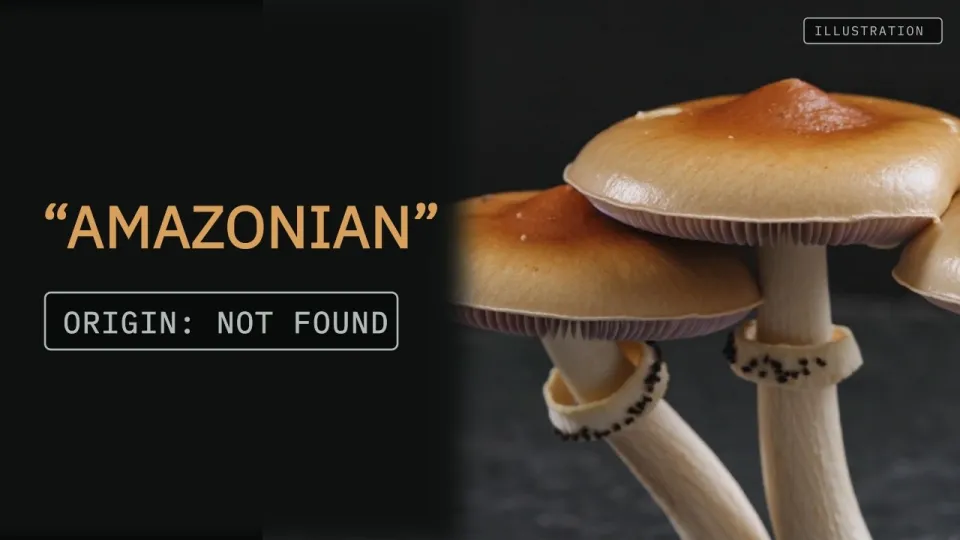
Video: Amazonian Mushroom: Following the Paper Trail Behind the Name
Ethnobotanical Significance and Indigenous Knowledge
Indigenous communities in the Amazon have long utilized the mushroom for medicinal and ritualistic purposes, which has influenced scientific interest and naming conventions. Ethnobotanical studies document how local names and uses contributed to the mushroom's identification in scientific literature. The cultural context provides essential insight into the mushroom's properties and ecological role, emphasizing the value of integrating indigenous knowledge with formal taxonomy 05:40.
Challenges in Tracing the Paper Trail
Following the scientific documentation of the Amazonian mushroom reveals challenges such as synonymy, inconsistent naming, and limited specimen availability. Several papers refer to the same species under different names, complicating the understanding of its taxonomy. Researchers have addressed these issues by cross-referencing historical records, herbarium specimens, and field observations to consolidate the mushroom's identity 07:50.
Modern Research and Molecular Insights
Recent studies employing molecular techniques like DNA sequencing have clarified the phylogenetic relationships of the Amazonian mushroom, resolving previous ambiguities. These findings support reclassification efforts and enhance understanding of its evolutionary history within the Amazonian fungal community. Such molecular data complement traditional morphological assessments and ethnobotanical reports, creating a comprehensive profile of the species 10:30.
Conclusion
The Amazonian mushroom's identity is rooted in a complex paper trail combining taxonomic studies, indigenous knowledge, and modern genetic research. This multifaceted approach highlights the importance of accurate documentation and cultural context in understanding fungal biodiversity. The channel Shroomverse offers an in-depth exploration of these themes, providing valuable insights into the mushroom’s scientific and cultural narrative.
Key takeaways
- The Amazonian mushroom is linked to specific scientific papers that clarify its classification.
- Its name has evolved through historical botanical studies in the Amazon region.
- Cultural uses of the mushroom have influenced scientific interest and naming conventions.
- Research into the Amazonian mushroom highlights the importance of accurate documentation.
- The Shroomverse channel provides detailed analysis on the mushroom’s nomenclature and history.
Questions & answers
What is the Amazonian mushroom?
The Amazonian mushroom is a fungal species native to the Amazon rainforest with significant cultural and scientific interest, documented through various botanical and ethnobotanical studies.
How was the Amazonian mushroom named scientifically?
Its scientific name evolved through historical taxonomic studies based on morphological features and cultural knowledge, with several papers refining its classification over time.
Why is indigenous knowledge important for understanding the Amazonian mushroom?
Indigenous knowledge provides context on the mushroom’s uses and local names, which helps scientists accurately identify and classify the species within its ecological and cultural environment.
What modern methods have helped clarify the classification of the Amazonian mushroom?
DNA sequencing and molecular phylogenetics have been used to resolve taxonomic ambiguities, supporting reclassification and a clearer understanding of its evolutionary relationships.
Source: Amazonian Mushroom: Following the Paper Trail Behind the Name · Markdown version